
Caste Shaped by Power and Economy, Not Purity or Race: Tony Joseph
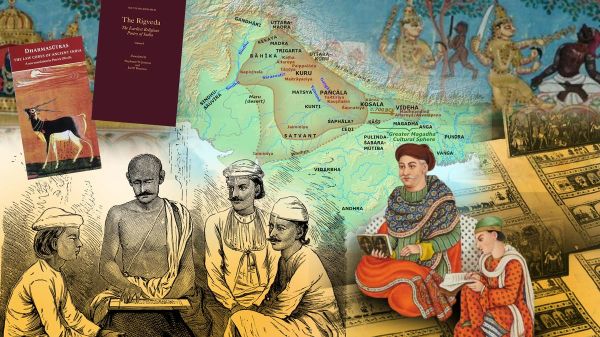
In Homo Opportunisticus: the making of caste, Tony Joseph argues that India’s caste system did not originate from rigid ideas of purity, pollution, or racial hierarchies, but from practical political and economic circumstances. He suggests that caste evolved as a flexible social arrangement shaped by power, occupation, and access to resources, gradually hardening over time.
Joseph explains that early social groups adapted opportunistically to changing conditions such as agrarian expansion, state formation, and labour needs. These adaptations later acquired religious and cultural justifications, giving caste an appearance of permanence and moral order. The essay challenges popular narratives that trace caste solely to ancient religious texts or biological differences.
By highlighting historical contingency and human self-interest, the author reframes caste as a man-made system rather than a divinely ordained one. This perspective, he argues, is essential for understanding how caste inequalities persist today and how they might be dismantled through social and political reform.


