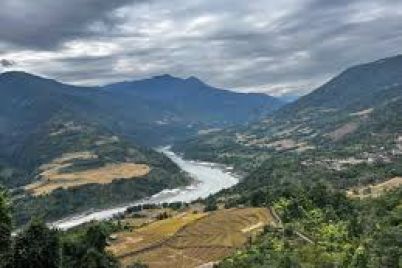
The Indian Army high-altitude monorail marks a major leap in defence innovation and mountain logistics. The Gajraj Corps created this in-house system to support operations at nearly 16,000 feet in the Kameng Himalayas of Arunachal Pradesh. The region challenges troops every day with extreme temperatures, difficult slopes, and unpredictable weather. The new system helps the Army move supplies faster and more safely.
The monorail improves access to forward posts that often struggle with frequent disruptions. Snowfall, landslides, and sudden weather shifts usually slow down transport. The Army now uses this advanced line to move essential material even when the terrain offers little support. Troops say the monorail brings reliability to an area where standard vehicles often fail.
This development also reflects the Army’s growing focus on self-reliance. The Gajraj Corps designed and engineered the system without outside help, showing strong technical capability. The Corps aims to expand this model to more high-altitude zones if the results remain consistent. Officers believe the system can transform how the Army handles logistics in several Himalayan sectors.
The project also helps border preparedness. Faster supply chains support quicker movement of equipment, rations, and medical items. It strengthens the readiness of forward troops, especially during long winter months. Many defence experts call the system a cost-effective option when compared to more complex aerial or road-based solutions.
The Army continues to test the monorail in various terrains to refine speed, load capacity, and endurance. If successful, the system may become a permanent feature in Eastern Command’s operational plans. The innovation represents a modern approach to securing India’s mountainous borders while ensuring the safety and efficiency of soldiers on the ground.