
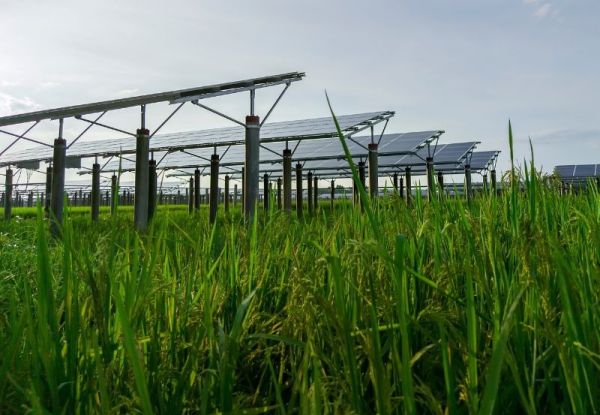
Solar projects under the PM‑KUSUM scheme in Maharashtra are facing delays as land leasing costs have risen sharply, industry sources said. Developers report that the higher rental expectations from landowners are slowing down agreements and holding back project execution.
Maharashtra hosts the largest number of KUSUM projects in India, with many farmers leasing their fallow or unused land for solar installations. However, developers now say that land prices have surged by around 25–30% compared to the initial estimates, making it difficult to secure sites within planned timelines.
Under the scheme, farmers can lease land to host solar plants, and the government provides financial support of up to 30% of installation costs. Despite the subsidy, the rising lease costs, especially for land close to substations or with good infrastructure, are increasing overall project expenses.
Some developers estimate that the higher land costs add about 5–7% to project budgets. In certain areas where suitable land with easy grid access is limited, securing agreements has become challenging, resulting in stalled timelines.
Industry experts also point out that grid connectivity and substation capacity add another layer of complexity. Delays in land agreements coupled with infrastructure challenges are slowing down the rollout of several hundred megawatts of capacity across the state.
Developers suggest that better planning, including early land acquisition and coordination with state agencies, could help reduce delays. If these issues persist, a significant portion of Maharashtra’s KUSUM projects may take longer than anticipated to become operational.
Despite the challenges, the PM‑KUSUM scheme remains a key initiative to promote decentralised solar generation and provide additional income to farmers. Stakeholders hope that with proactive measures, most projects will get back on track soon.


