
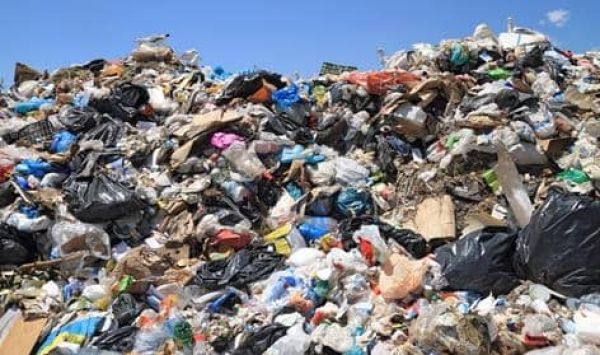
The Municipal Corporation of Delhi (MCD) is facing its biggest waste management challenge of 2026 — the flattening of two of its three operational landfills. Authorities have raised concerns over rising waste levels and the urgent need for sustainable disposal solutions.
The landfills, located at Bhalswa and Okhla, have reached their maximum capacity. Officials confirmed that flattening work will begin early this year to make room for incoming waste, while also minimizing environmental hazards such as air pollution, leachate contamination, and methane emissions.
“The Bhalswa and Okhla sites have been overburdened for years. Flattening is essential not just to manage waste efficiently, but also to protect nearby residential areas from health risks,” said an MCD official.
The MCD produces around 10,000 metric tonnes of garbage daily, with the majority dumped at these landfills. With two of the three sites undergoing flattening, authorities are relying heavily on the third landfill at Ghazipur, along with temporary waste segregation and composting units, to prevent a citywide waste crisis.
Environmental activists have called for long-term solutions, urging the government to implement advanced waste-to-energy plants, stricter segregation at source, and community-level recycling programs. “Flattening landfills is a temporary fix. Delhi needs sustainable waste management policies that focus on reduction, reuse, and recycling,” said a city-based environmentalist.
MCD plans to complete the flattening process in phases to ensure minimal disruption in daily waste collection. Residents in nearby localities will be kept informed about operational changes and safety measures.
As Delhi enters 2026, managing its overflowing landfills remains a pressing challenge for the MCD. Authorities emphasize that flattening, coupled with innovative waste solutions, will play a crucial role in keeping the city clean and environmentally safe in the coming years.


