
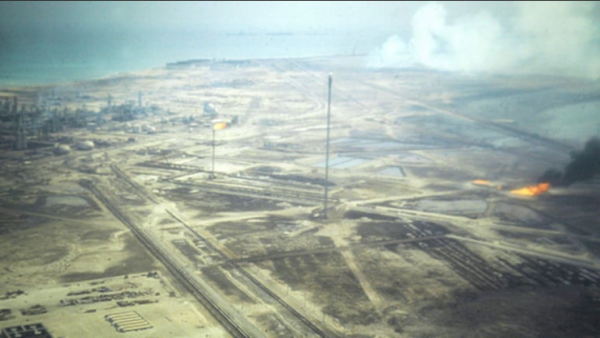
Oil markets convulsed on Monday after fresh conflict in West Asia. Missiles and drone debris forced Saudi Aramco to halt operations at Ras Tanura, a 550,000-barrel-per-day refinery and export hub.
At the same time, tanker traffic through the Strait of Hormuz slowed sharply. Shipowners pulled back as US and Israeli strikes on Iran intensified. The strait carries about one-fifth of global oil supply.
Brent crude jumped 9–13% into the high-$70s and low-$80s. West Texas Intermediate surged over 9% into the low-$70s. The shock rippled through Indian markets and policy circles.
Toronto-based investor Shah Faisal Shah called the disruption an “inflation nuke.” He argued that 550,000 barrels per day offline, plus a stalled Hormuz, risks global price spikes. Economists caution that inflation pass-through depends on duration and policy buffers.
India’s inflation had cooled sharply in 2025, staying within the Reserve Bank of India target band. Higher crude now threatens that balance. Costlier oil feeds into transport and food prices. It could limit room for rate cuts and widen the current account deficit.
The rupee, recently near 90.97 per dollar, faces renewed pressure. Analysts warn sustained crude above $90 could strain growth, bonds, and currency stability.


