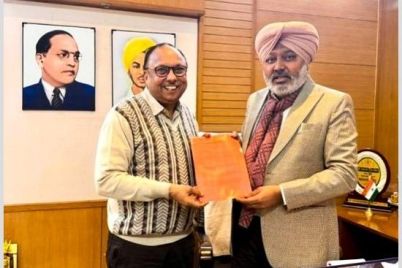
Punjab empanels private doctors to strengthen public healthcare and bridge the shortage of specialists in government hospitals. The state Cabinet approved the empanelment of 300 private specialist doctors, and the decision aims to boost both OPD and IPD services.
The government will pay Rs 100 per patient to each empanelled doctor. They will treat 50–150 OPD patients and 2–20 IPD patients based on demand. This structure helps hospitals handle rush hours and maintain smooth service flow.
Finance Minister Harpal Cheema said the government wants to retain existing doctors as well. Therefore, doctors who work night duty and receive a daytime call will get Rs 1,000 per visit, and the same applies in reverse. This step encourages doctors to remain available without hesitation.
Moreover, the Chief Minister asked officers to design a new incentive-based policy for doctors and teachers posted in border areas. Many employees avoid these regions, so the government wants to improve service delivery there. With better incentives, more staff may agree to work in remote zones.
The Cabinet also cleared major administrative changes. First, it approved amendments to the Societies Registration Act, 1860. Under the new rules, the government can directly appoint in-charges of cooperative societies. This change increases accountability and speeds up decision-making.
Second, officials introduced a GPS tracking system for vehicles that carry minor minerals from quarries. This system curbs illegal mining and ensures transparent movement of minerals. As a result, both monitoring and revenue collection may improve.
Lastly, the Cabinet announced the redistribution of powers in the cooperative department. The change simplifies the roles of delegate and appellate authorities, and it also reduces delays in file approvals.
Overall, Punjab empanels private doctors to ensure stronger healthcare delivery and to support hospitals that face acute shortages. With these reforms, the state aims to improve transparency, boost efficiency, and strengthen essential public services.