
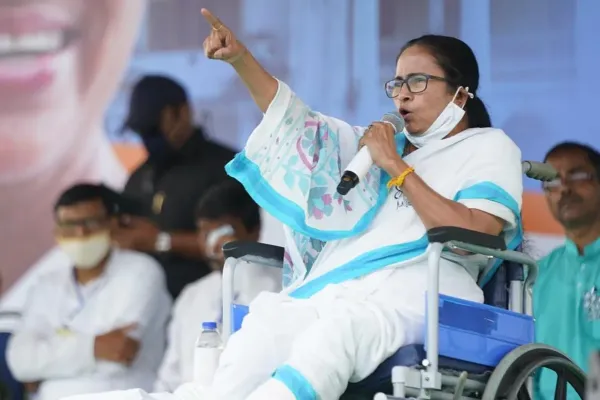
The Mamata Banerjee resignation issue has become a major political debate after the recent West Bengal Assembly election results. Reports say Chief Minister Mamata Banerjee stated that she would not resign even though her party lost the election. Bharatiya Janata Party secured a clear majority in the state.
The Mamata Banerjee resignation issue now raises an important constitutional question: what happens if a Chief Minister refuses to step down after losing power?
According to constitutional experts, the Governor plays a key role in such situations. The Governor can ask the sitting Chief Minister to prove a majority in the Assembly. If the leader fails to show majority support, the Governor can dismiss the government and invite the majority party to form a new government.
In West Bengal’s case, the BJP’s victory means its leader can be invited to form the next government. Normally, an outgoing Chief Minister resigns voluntarily after defeat. However, if that does not happen, the Governor can intervene to ensure a smooth transfer of power.
The political standoff has intensified debates about democratic procedures and constitutional powers in India.


